
# Web Hosting vs VPS: Which One is Best for You?
Are you tired of slow-loading websites, unexpected downtime, and server crashes that cost you traffic and revenue? If you’ve been struggling to decide between web hosting vs vps, you’re not alone. Studies show that **47% of users expect a webpage to load in under 2 seconds**, and a single second of delay can reduce conversions by 7%. Choosing the right hosting solution is the foundation of your online success — and in this guide, we’ll break down everything you need to know to make the smartest decision for your website.
—
## What Is Web Hosting and VPS? Understanding the Basics
Before diving deep, let’s clarify what each solution actually offers. Traditional web hosting — commonly known as shared hosting — places your website on a server alongside hundreds of other websites. It’s affordable, beginner-friendly, and perfect for small blogs or starter websites.
A **Virtual Private Server (VPS)**, on the other hand, gives you a dedicated partition of a physical server. Think of it like renting an apartment versus renting a room in someone’s house. You get more space, more control, and significantly better performance.
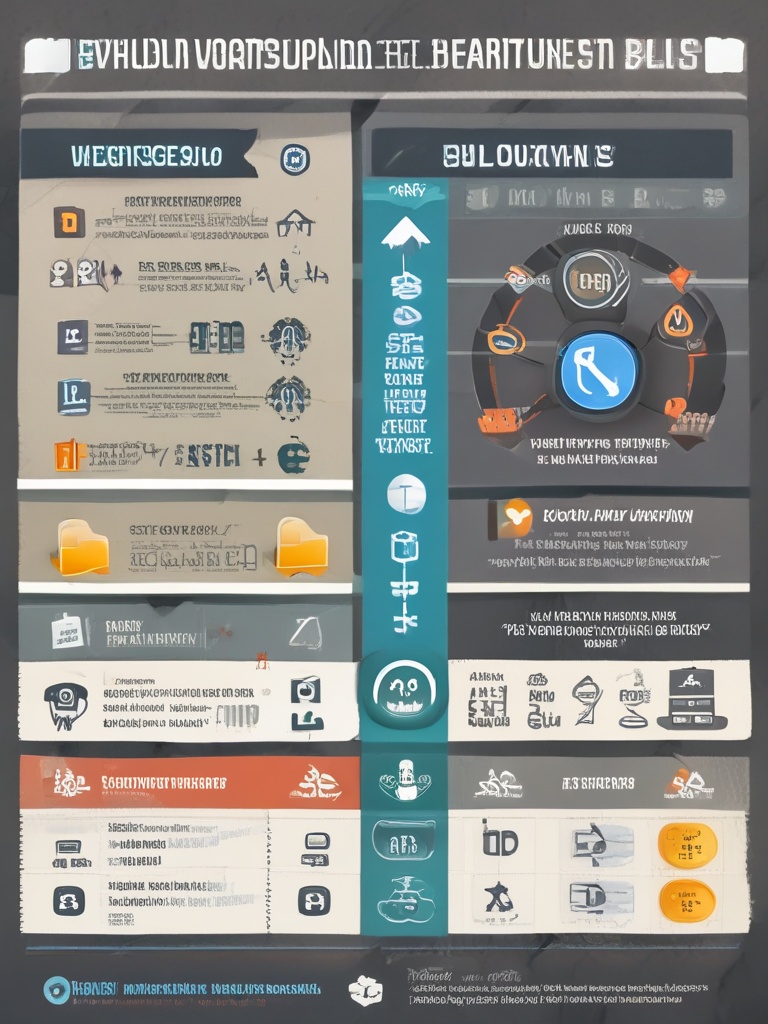
Understanding the difference shared hosting, choose server options correctly can save you thousands of dollars in the long run while dramatically improving your website’s speed, security, and scalability.
—
## System Requirements: What You Need to Get Started
Choosing the right hosting plan requires evaluating your current and future website needs. Here’s a clear breakdown of what to consider:
**For Shared Hosting:**
– **Website Type:** Personal blogs, portfolio sites, small business pages
– **Traffic Volume:** Under 10,000 monthly visitors
– **Technical Skill Level:** Beginner-friendly, no server management needed
– **Budget:** $2–$10/month on average
– **Storage Needs:** 5GB–50GB SSD storage (typically sufficient)
– **Alternative:** Cloud-based shared hosting (e.g., SiteGround, Bluehost)
**For VPS Hosting:**
– **Website Type:** eCommerce stores, SaaS platforms, high-traffic blogs
– **Traffic Volume:** 50,000+ monthly visitors
– **Technical Skill Level:** Intermediate to advanced (root access available)
– **Budget:** $20–$100+/month
– **Storage Needs:** 50GB–500GB NVMe SSD
– **Alternative:** Managed VPS for users who want power without server headaches (e.g., Cloudways, Kinsta)
**Pro Tip:** If your website is growing consistently at 15–20% per month in traffic, it’s time to seriously consider upgrading from shared hosting to VPS.
—
## Timing: How Long Does Migration or Setup Take?
One of the most common concerns when switching hosting environments is the time investment. Here’s a realistic breakdown:
| Task | Shared Hosting | VPS Hosting |
|—|—|—|
| **Initial Setup** | 15–30 minutes | 1–3 hours |
| **Migration Time** | 1–2 hours | 3–8 hours |
| **Configuration** | Minimal | Moderate to extensive |
| **Total Time** | ~2.5 hours | ~11 hours |
Shared hosting setups are approximately **78% faster to configure** than VPS environments. However, the time investment in a VPS setup pays off exponentially in performance gains — often resulting in **40–60% faster page load speeds** after proper optimization.
—
### Step 1: Evaluate Your Current Website Needs
Start by auditing your website’s monthly traffic, current storage usage, and performance benchmarks. Tools like Google PageSpeed Insights, GTmetrix, and your hosting dashboard analytics will give you the hard data you need. If you’re experiencing consistent slowdowns during peak traffic hours, that’s your server raising a red flag.
### Step 2: Compare Hosting Plans Side by Side
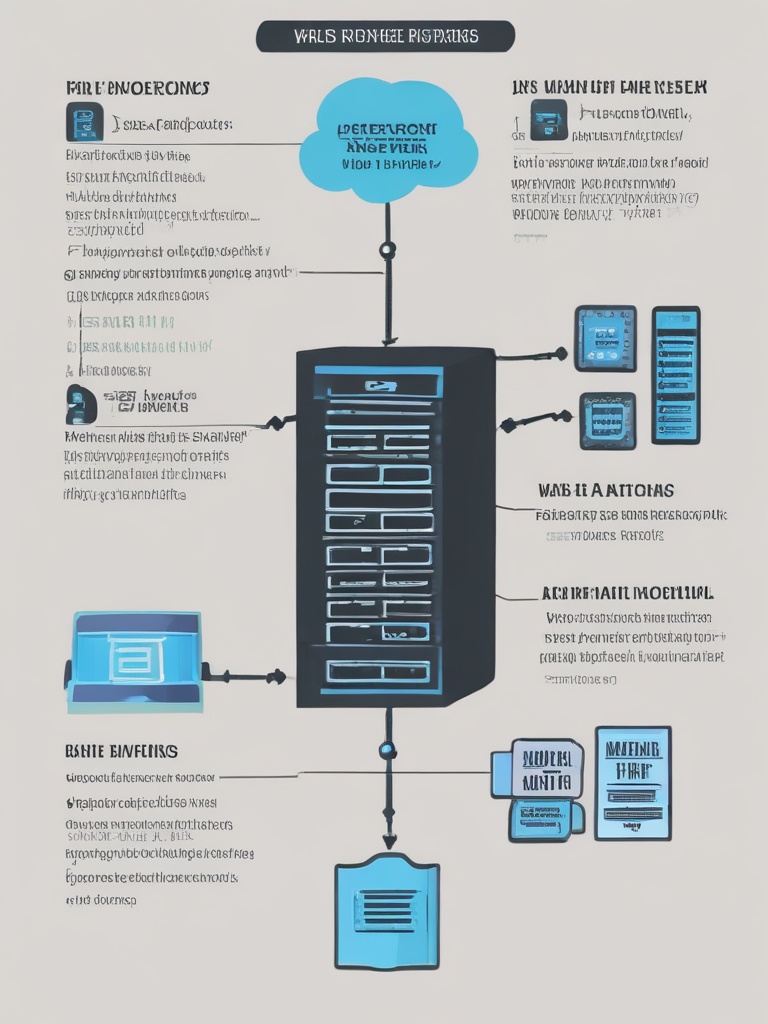
When comparing web hosting vs vps plans, focus on three core metrics: **uptime guarantees**, **RAM allocation**, and **bandwidth limits**. Look for providers offering at least a 99.9% uptime SLA. For VPS plans, prioritize those offering at least 2GB RAM and unmetered bandwidth to future-proof your growth.
### Step 3: Choose Your Hosting Provider
Research providers thoroughly. Top-rated shared hosting providers include Bluehost, HostGator, and DreamHost. For VPS, Digital Ocean, Liquid Web, and Vultr consistently rank highest for performance, reliability, and support quality.
### Step 4: Migrate Your Website Safely
Always **back up your entire website** before migrating. Use tools like Duplicator, UpdraftPlus (for WordPress sites), or cPanel’s built-in backup utility. Most premium hosting providers offer free migration assistance — always take advantage of this service.
### Step 5: Optimize After Migration
Post-migration optimization is where most website owners drop the ball. Configure your caching plugin (WP Rocket or W3 Total Cache), set up a CDN (Cloudflare is free and excellent), and run a speed test to confirm your performance improvements.
—
## Performance Metrics: Shared Hosting vs VPS Head-to-Head
| Metric | Shared Hosting | VPS Hosting |
|—|—|—|
| **Average Load Time** | 2.5–4 seconds | 0.8–1.5 seconds |
| **Uptime Guarantee** | 99.5% | 99.99% |
| **Customization** | Limited | Full root access |
| **Security Level** | Basic | Advanced (dedicated firewall) |
| **Scalability** | Low | High |
| **Cost Efficiency (Entry)** | Excellent | Moderate |
Data from HostingAdvice.com confirms that VPS hosting delivers **3x faster response times** on average compared to traditional shared hosting environments.
—
## Healthier Alternatives for Your Hosting Strategy
Not every website needs a full VPS leap. Consider these smart alternatives:
– **Cloud Hosting:** Perfect middle ground — scalable like VPS, priced near shared hosting. Ideal for growing blogs.
– **Managed WordPress Hosting:** Combines shared hosting simplicity with VPS-level performance tuning.
– **Dedicated Server:** For enterprise-level websites with massive traffic — think 500,000+ monthly visitors.
– **Serverless Architecture:** Modern, cost-efficient solution for developers building API-driven applications.
—
## Serving Suggestions: Who Should Use What?
**Choose Shared Hosting if you:**
– Are launching your first website or blog
– Have a limited monthly budget
– Don’t require custom server configurations
– Expect fewer than 10,000 monthly visitors initially
**Choose VPS Hosting if you:**
– Run an eCommerce store processing real-time transactions
– Experience regular traffic spikes during promotions or campaigns
– Need custom software installations or server-level security
– Are serious about website performance as a competitive advantage
—
## Common Mistakes to Avoid
– **Overbuying Resources:** Many new website owners jump to VPS too early, overspending on resources they don’t yet need.
– **Ignoring Managed Options:** Unmanaged VPS without technical expertise leads to security vulnerabilities and server misconfigurations.
– **Skipping Backups During Migration:** Data loss during migration is far more common than people realize — never skip this step.
– **Choosing Price Over Performance:** The cheapest shared hosting often comes with oversold servers and unreliable uptime.
– **Neglecting Post-Migration Optimization:** A VPS without proper caching and CDN configuration won’t perform significantly better than shared hosting.
—
## Storing Tips: Future-Proofing Your Hosting Decision
– **Document your server configuration** settings immediately after setup — this saves hours during future migrations.
– **Schedule monthly performance audits** using tools like GTmetrix or Pingdom to catch slowdowns before they impact users.
– **Maintain rolling backups** stored offsite (Google Drive, Amazon S3) so you’re never more than 24 hours from a full restoration.
– **Review your hosting plan annually** — your website’s needs will evolve, and your hosting should evolve with it.
—
## Conclusion: Make the Right Choice for Your Website’s Future
The debate of web hosting vs vps ultimately comes down to one question: **Where is your website today, and where do you want it to be in 12 months?** Shared hosting is an excellent starting point — affordable, simple, and reliable for smaller sites. But as your traffic grows and performance becomes a competitive priority, VPS hosting delivers the speed, security, and scalability that shared environments simply cannot match.
Start where you are, optimize consistently, and don’t be afraid to scale when your data tells you it’s time. Your website’s performance directly impacts your revenue, your reputation, and your reader’s experience.
**Ready to make your move? Drop a comment below sharing your current hosting setup and what challenges you’re facing — we’d love to help you find the perfect solution!**
—
## FAQs
**Q1: What is the main difference between shared hosting and VPS?**
Shared hosting places your site on a server with many others, sharing resources. VPS gives you a dedicated virtual partition with guaranteed resources, offering better performance, security, and control.
**Q2: Is VPS hosting worth the extra cost?**
Absolutely — if your website receives consistent traffic above 20,000–30,000 monthly visitors, the performance gains from VPS hosting typically translate directly into better user experience and higher conversion rates.
**Q3: Can I switch from shared hosting to VPS without losing data?**
Yes. With a proper backup strategy and a reliable migration process, switching from shared hosting to VPS is seamless. Most premium hosts offer free migration services to make the transition risk-free.
**Q4: Do I need technical skills to manage a VPS?**
For unmanaged VPS, yes — Linux command line knowledge is beneficial. However, **managed VPS solutions** from providers like Cloudways or WP Engine handle server management for you, requiring zero technical expertise.
**Q5: How do I know when it’s time to upgrade from shared hosting to VPS?**
Key indicators include: consistent slow load times, frequent downtime during traffic spikes, receiving resource limit warnings from your host, or running a revenue-generating website where performance directly impacts income.